The Things We Don't Get to Choose
There is a particular kind of helplessness that belongs to being young. You can know exactly what you feel and still have almost no say in what happens next. Someone else decides where you will live, what school you will attend, or when it is time to leave. Adults may believe they are doing what is best. Sometimes they are. But their decisions can alter a young person's life in ways they will never fully understand.
The Things We Don't Get to Choose
There is a particular kind of helplessness that belongs to being young. You can know exactly what you feel and still have almost no say in what happens next.
Someone else decides where you will live, what school you will attend, or when it is time to leave. Adults may believe they are doing what is best. Sometimes they are. But their decisions can alter a young person's life in ways they will never fully understand.
And when you are young, a decision made by someone else can feel like the whole future has been decided for you.
Being young does not mean your feelings are small. It often means your power is.
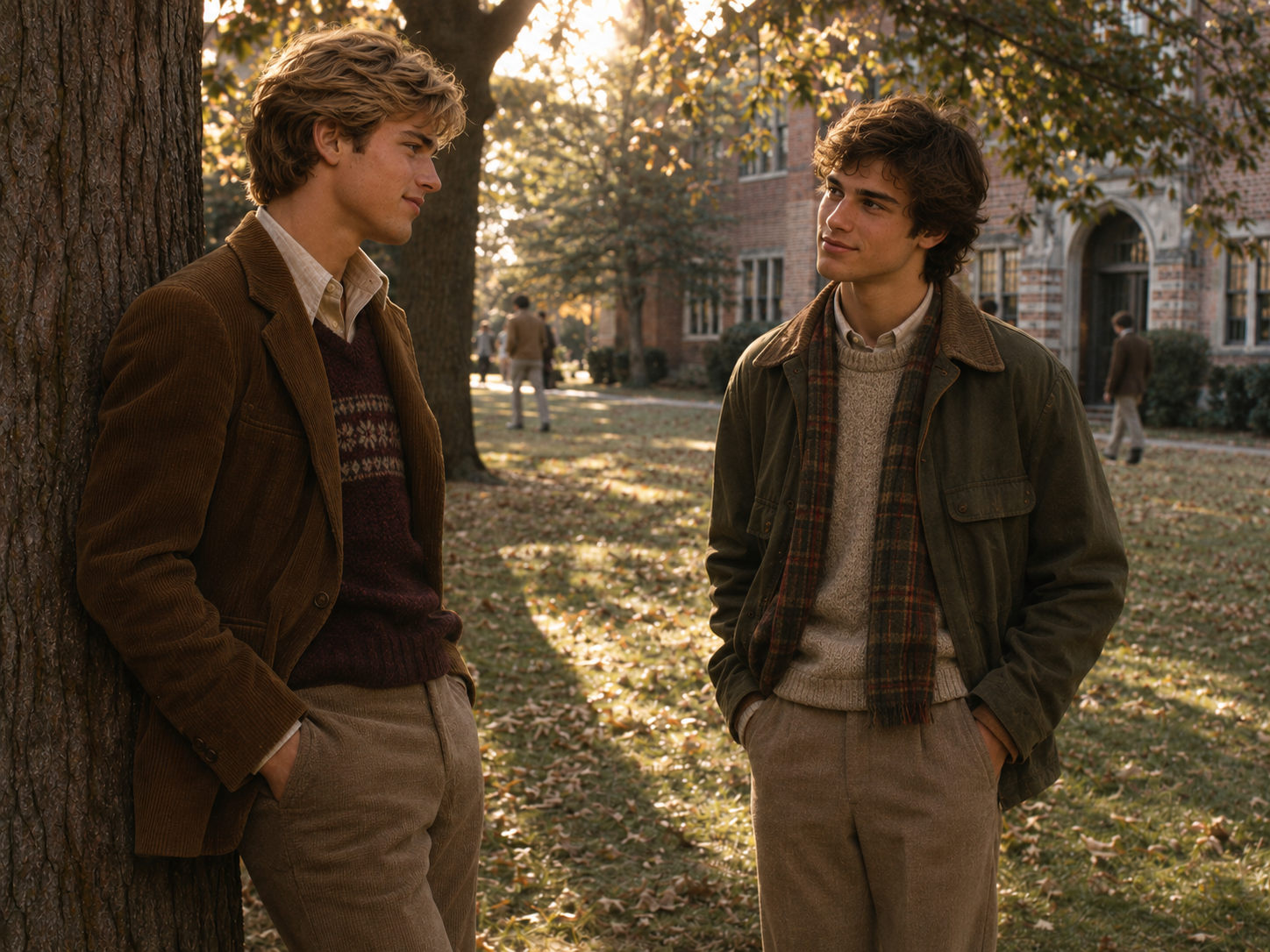
At boarding school, Peter and Derek find one another. They are each other's first love, and what grows between them is more than the excitement of discovering someone new. It is the extraordinary relief of being understood by another person.
First love has a way of making ordinary things feel unforgettable. A conversation that lasts a few minutes can stay with us for decades. A glance across a room can make an otherwise unremarkable day seem important. We remember not only the person, but the person we were allowed to be in their company.
Then Peter and Derek are separated by circumstances beyond their control.
That is one of the cruelties of youth: something can be real, and precious, and still not be yours to protect. Caring deeply does not give you the authority to change what is happening. Wanting to stay does not mean you are permitted to stay.
There is no easy wisdom in that moment. There is only the bewilderment of having something important taken out of your hands.
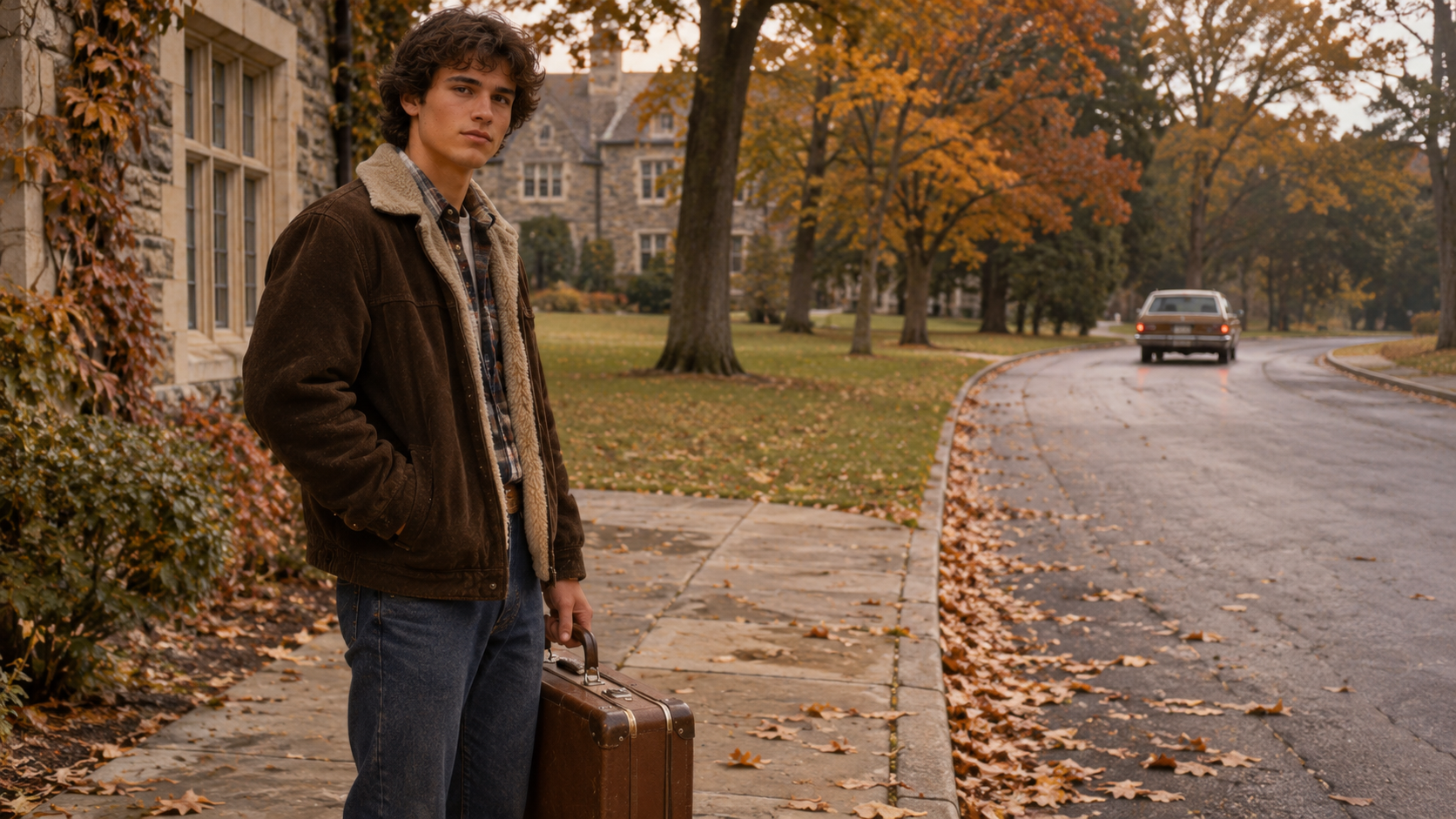
We sometimes make the mistake of looking back at young heartbreak and calling it a lesson. We tell ourselves it was necessary, that it helped us grow, that time eventually put everything in perspective.
Perhaps some of that is true. But it can also be a way of overlooking the young person who had to live through it.
The loss mattered before anyone could explain what it might teach. The love mattered even if no one knew what would become of it.
I think we owe our younger selves that much honesty.
Peter knows another kind of love that asks something of him before he is old enough to understand its full weight. He makes a promise to his mother, Anne, to look after his sisters. It is an act of devotion, offered with a boy's whole heart. Yet a promise made in childhood can shape the choices of the adult who carries it.
The love behind the promise is freely given. The circumstances surrounding it are not.
Those two truths can exist together. We can be proud of what we did for someone and still wish we had never been placed in the position of having to do it. We can cherish a memory without pretending that every part of it was fair.
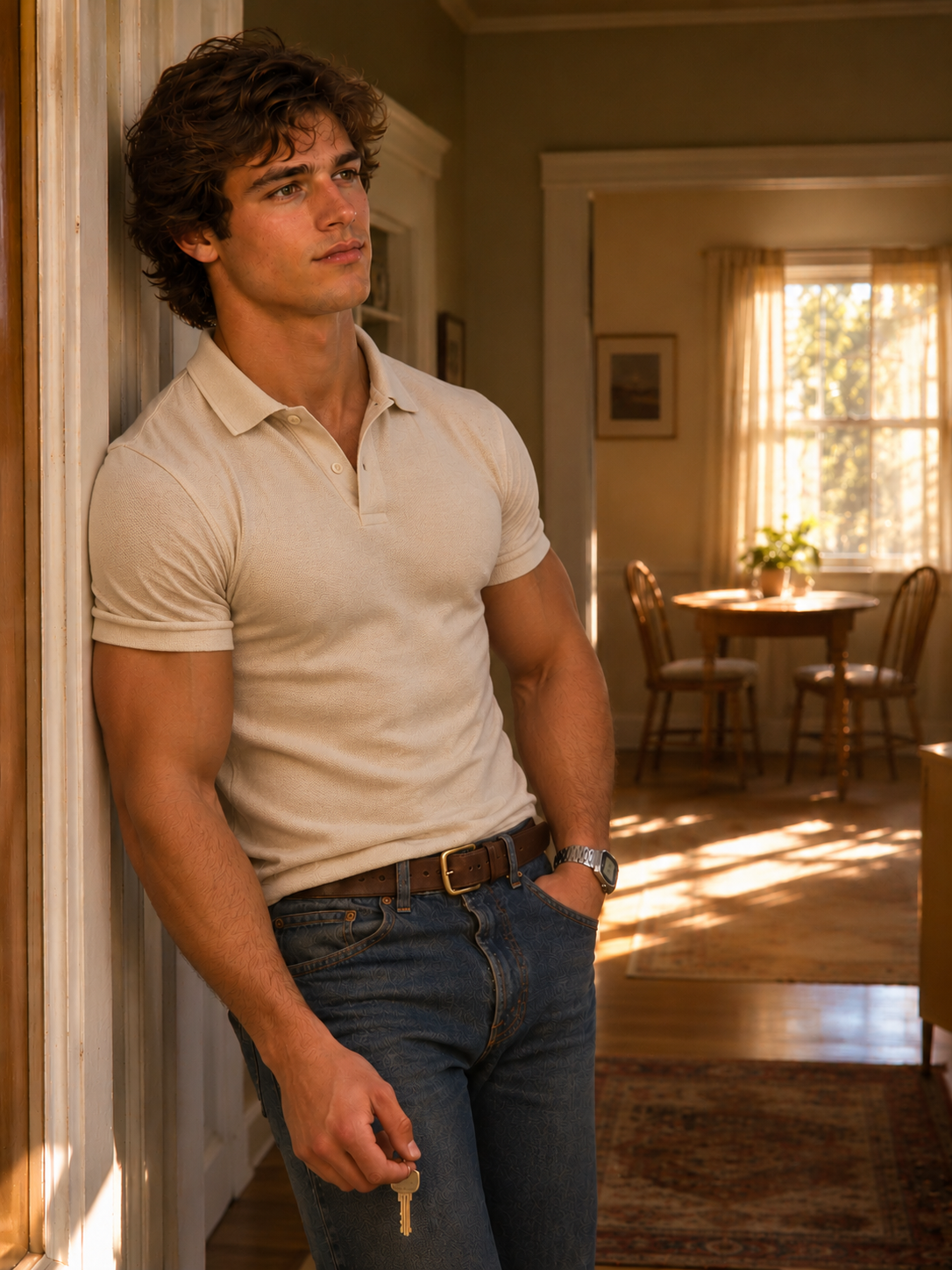
Growing older does not mean life suddenly becomes obedient. Illness, loss, distance, and other people's decisions continue to interrupt our plans. No one reaches an age at which disappointment requires permission.
But adulthood can give us something we did not have before: a greater say in how we build the life around us.
We can decide which relationships deserve our care. We can speak more plainly about what we need. We can refuse to let an old fear make every new decision. We can choose the kind of home we want to create, the people we welcome into it, and the promises we are willing to make.
None of those choices erases what happened when we were young. They do something quieter, and perhaps more important. They remind us that the past is part of our story, not necessarily the author of every page that follows.
That is why the question of first love interests me so much. Not simply whether two people who were separated will find each other again. Life is rarely generous enough to promise us that. The deeper question is whether we can ever experience that kind of love again—the kind that allows us to feel entirely known.
Perhaps the answer is different for everyone. Perhaps it takes a form we would never have recognized when we were young. Perhaps the love we discover later is not a replacement for what we lost, but something with its own depth, tenderness, and truth.
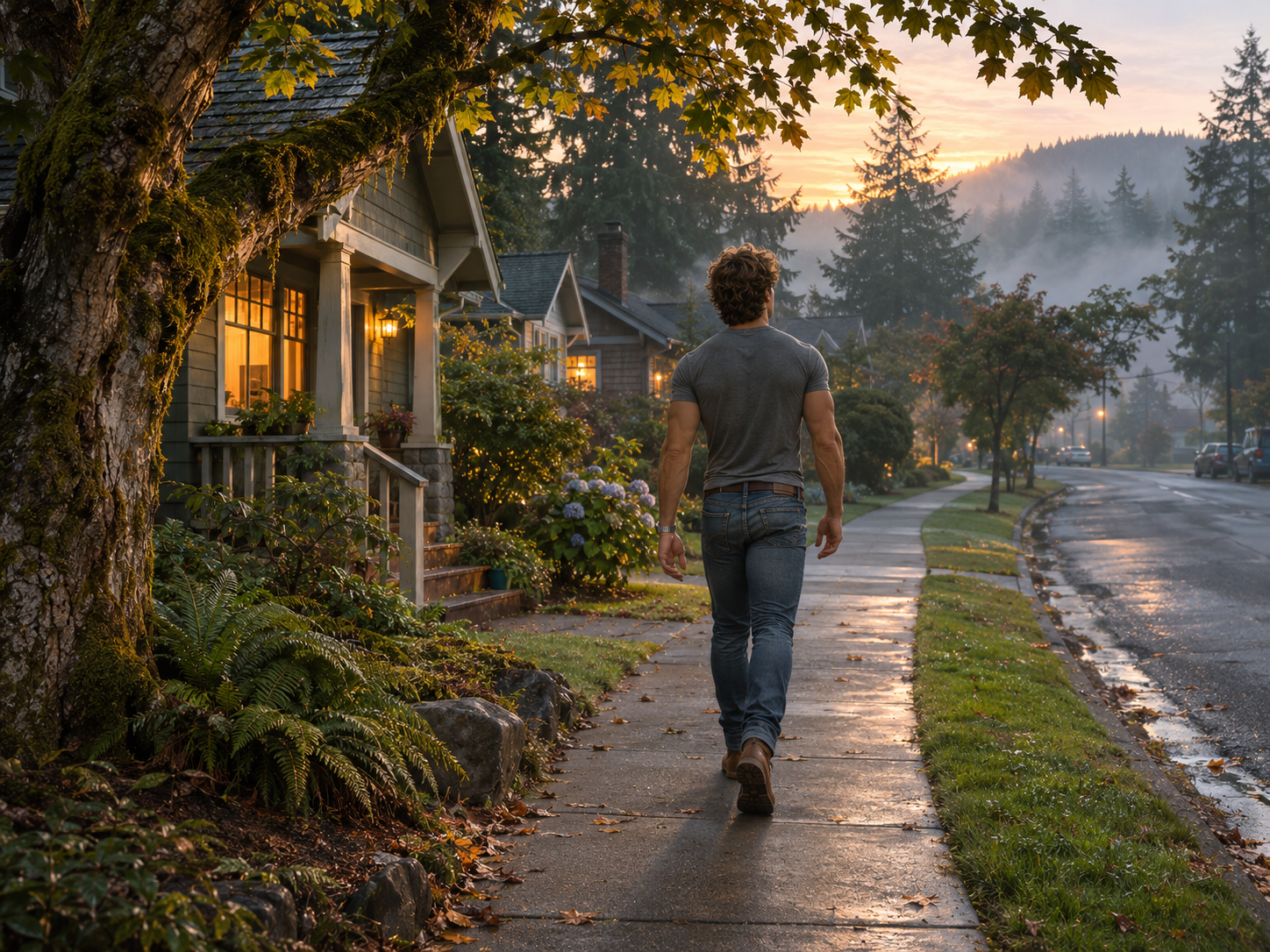
I would not tell a young person that every goodbye is temporary. Some are not. I would not promise that life returns everything it takes away. It does not.
But I would tell them that a goodbye is not a verdict on their worth. Being separated from someone does not make the love they shared imaginary. Having too little power to change an outcome does not mean they failed.
And I would tell them something else, though they might not be ready to believe it yet: there will come a day when more of their life belongs to them.
They will not be able to choose everything. None of us can. But they may be able to choose more than they can imagine from where they stand today.
For Peter, the journey is not only about the things that happen to him. It is about what becomes possible when he begins to have a voice in what happens next.
The years we did not get to choose deserve to be remembered. They do not have to be the only years that define us.
ONE PROMISE. ONE LIFE TIME. ONE UNFORGETTABLE JOURNEY
— Steve