The House That Made Peter
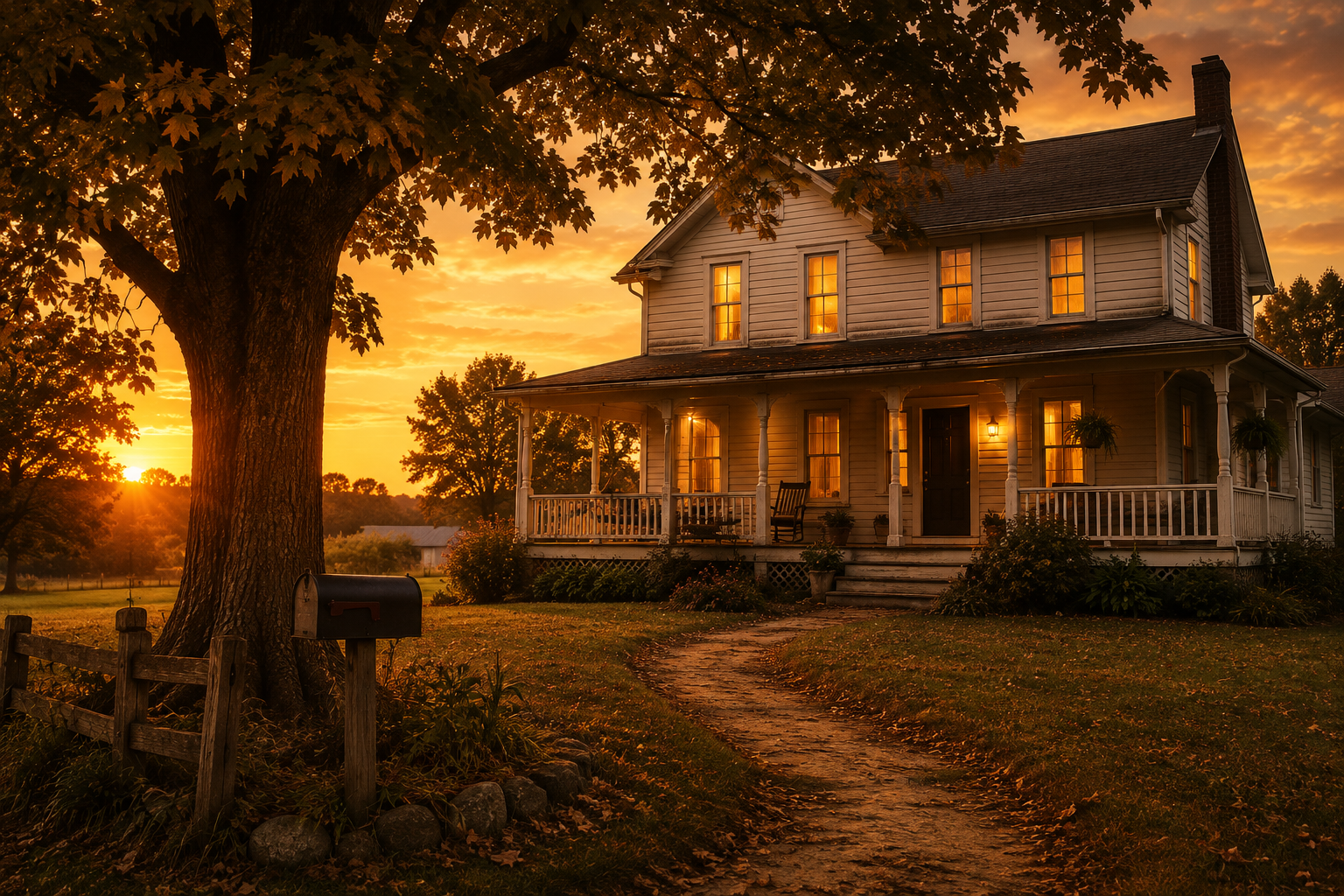
When I began writing the Promise Trilogy, I spent a great deal of time thinking about houses. Not because the buildings themselves were important, but because so much of childhood happens within their walls.
The House That Made Peter
Every house tells a story.
Some tell it through family photographs hanging in the hallway. Others tell it through worn wooden floors that creak in familiar places or the smell of cinnamon drifting from the kitchen on a winter afternoon.
Some houses tell their stories long after the people who lived there are gone.
When I began writing the Promise Trilogy, I spent a great deal of time thinking about houses. Not because the buildings themselves were important, but because so much of childhood happens within their walls.
We often remember the people first. Our parents. Grandparents. Brothers. Sisters. Friends.
But if we close our eyes long enough, the house returns too.
We remember which stair always creaked.
Which bedroom window looked out over the backyard.
Where we sat when we were sick.
Where Christmas presents appeared.
Where difficult conversations took place.
Where laughter echoed.
Where tears fell.
Long before we understand life, we begin collecting memories of the places where life happened.
As adults, we sometimes think childhood is shaped only by the major events.
Birthdays.
Graduations.
Vacations.
Loss.
But I don't believe that's where childhood truly lives.
It lives in ordinary Tuesday evenings around the dinner table.
It lives in folding laundry while someone hums in the next room.
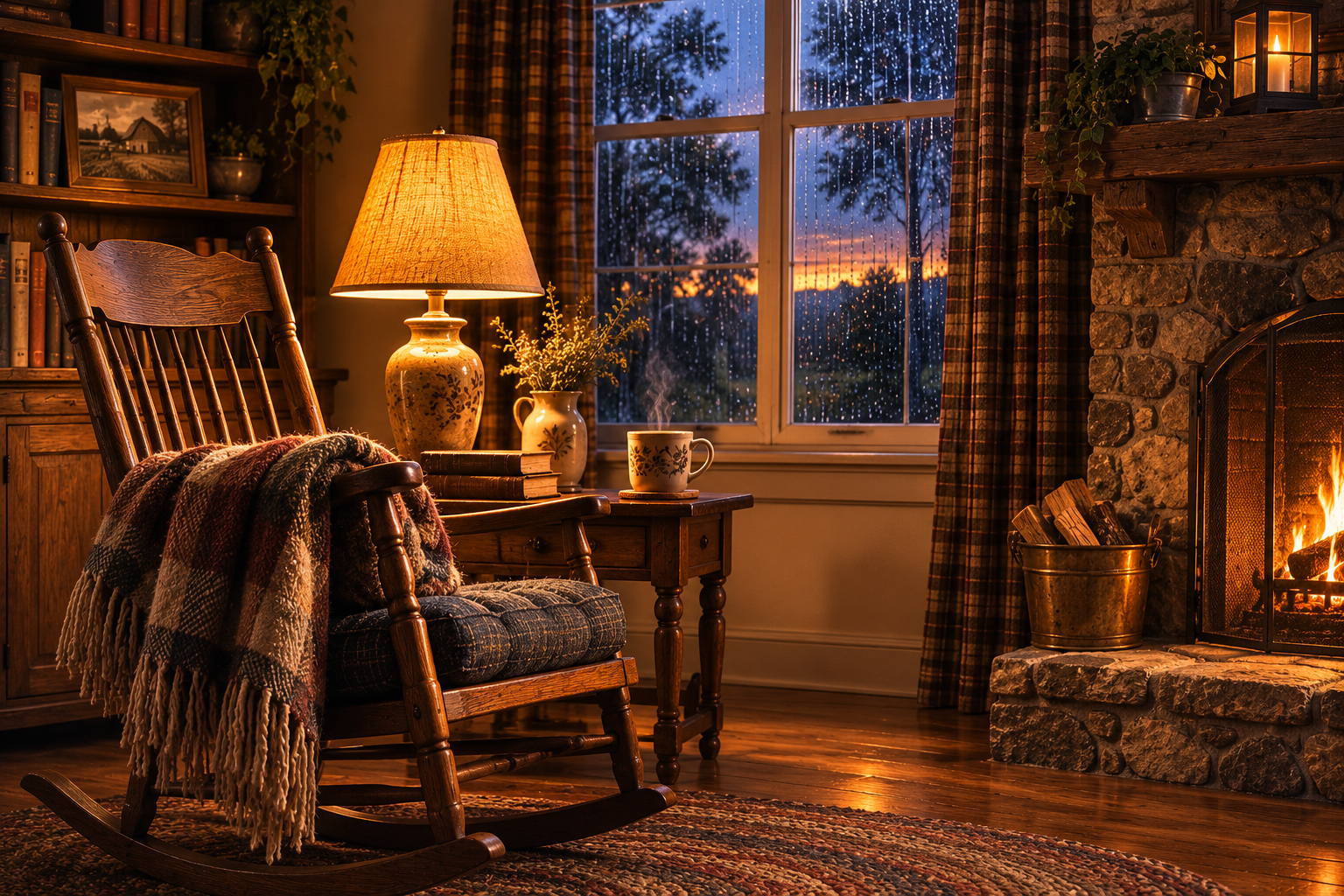
It lives in hearing rain tap against the windows while everyone else has already gone to bed.
Those moments rarely seem important while they're happening.
Years later, they become the memories we treasure most.
That realization influenced almost every chapter of Struggling.
There are scenes in the novel where very little appears to happen. A meal is shared. A conversation unfolds. Peter quietly watches the people around him. Yet those ordinary moments slowly shape the person he is becoming.
Real life usually works that way.
We don't become who we are because of one extraordinary day.
We become who we are because of thousands of ordinary ones.
The Rooms We Carry With Us
I've often wondered if we ever truly leave our childhood homes.
Physically, of course, we do.
Emotionally, I'm not so sure.
Years later, a particular smell can transport us back to a specific room.
A certain song can bring back an entire summer.
A beam of afternoon sunlight across a hardwood floor can remind us of a place we haven't seen in decades.
Memory is remarkable that way.
It doesn't simply remember events.
It remembers atmosphere.
The warmth.
The silence.
The comfort.
The uncertainty.
Sometimes all it takes is opening an old wooden door in another house before we're standing in our childhood again.
That fascinates me as a writer because stories work much the same way.
Readers don't simply remember what happened.
They remember how a place made them feel.
Peter's journey begins inside a house, but like all of us, he eventually discovers that home is much more complicated than an address.
Finding Home
One of the questions that quietly runs through all three books is this:
What makes a place feel like home?
Is it the building?
The people?
The memories?
Or is home something we spend our lives searching for?
Peter's answer changes as he grows older.
Perhaps ours does too.
As children, we think home is where we sleep.
As adults, we begin to realize home is wherever we are fully known, fully accepted, and fully ourselves.
That's a journey all of us make in one way or another.
It's certainly Peter's journey.
And perhaps, if we're fortunate, it's ours as well.
Thank you for spending a few moments here with me.
I hope these reflections bring back a few good memories of your own—not because they're exactly like Peter's, but because they're uniquely yours.
— Steve Bull-Fretwell